From the category archives:

Newsletters

Collecting & Investing in Canadian Art

by Jonathan Klinkhoff on January 21, 2012

A brief guide for beginners

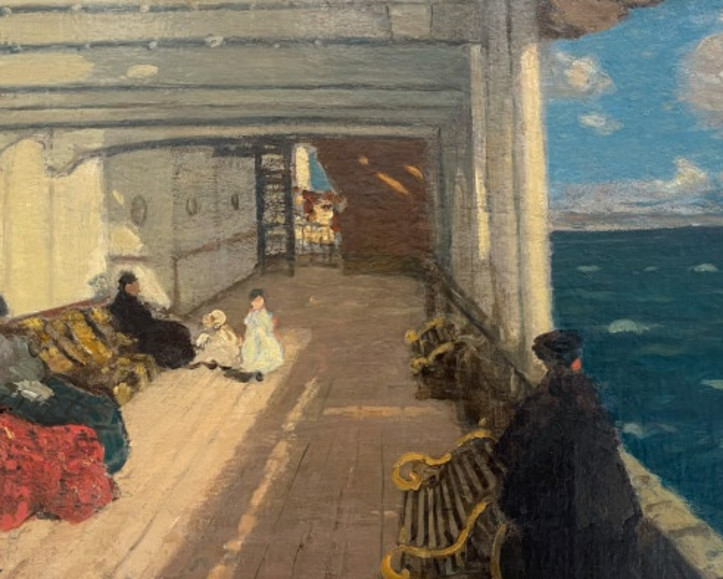
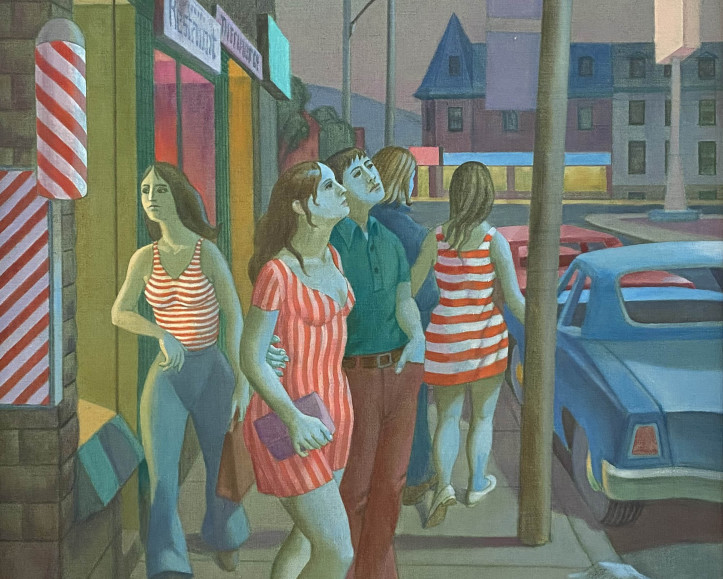
Molly Lamb Bobak

Molly Lamb Bobak, O.C., O.N.B., R.C.A.

The Canadian art market is a growing investment area. Prospective buyers today are confronted with artwork in an increasing range of media, styles and periods.  Building an outstanding collection and successfully investing in art requires an understanding of art history, a discerning eye for quality, and an intimate knowledge of the marketplace.  New buyers, in particular, can find themselves defenseless in a domain where the cost of a mistake can be total. For many, entering a world this discrete can be an intimidating experience.   I am writing this brief guide primarily for novice collectors and investors who are not familiar with our Canadian art market milieu.  I will suggest a series of steps that you can take to more confidently invest in Canadian art, starting with a resolution as to what you like and ending with some advice about how long you should hold your artwork.

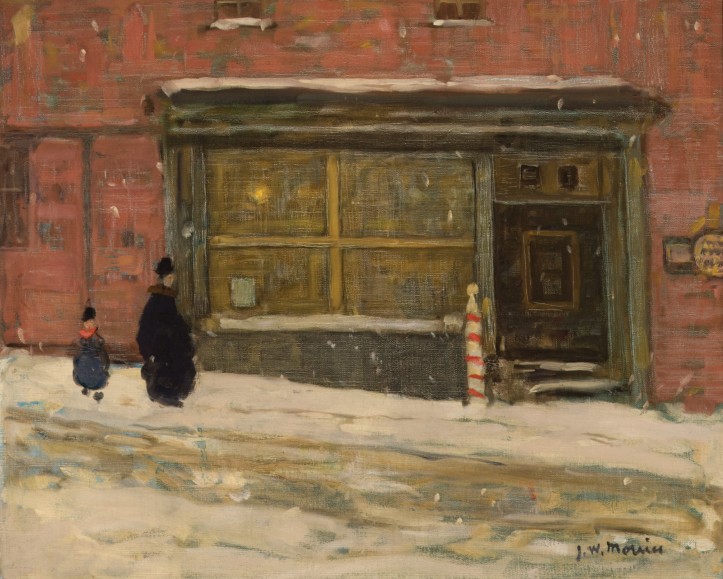
John Little

John Little, R.C.A. (b. 1928)

Decide what you like
The first step in collecting is to decide what you like, unless you want to keep your paintings in storage.  Exposing yourself to a great deal of art is the best method for developing your taste.  There are a number of places where you can obtain exposure to artwork.   Professionally and independently curated museums are a excellent places to see important works.  At established art galleries you will also find a professionally vetted selection of quality artwork.   Auction house previews also provide a venue for viewing large quantities of artwork with a large variance in quality and fields.

Establish objectives
The second step is to decide what your objectives are. The majority of our collectors choose to combine their passion for art with their investment interests. Not all art is a financial investment so deciding what you would like to achieve with your collecting may help you to narrow your focus.

Know where to buy
“Experts such as [professional art dealers] combine the knowledge of the serious art historian and the unmatched visual experience of those who have been buying all their lives, risking money each time they make a judgment – nothing is quite as effective in helping to focus the mind…” Souren Melikian, Art & Auction, April, 1996

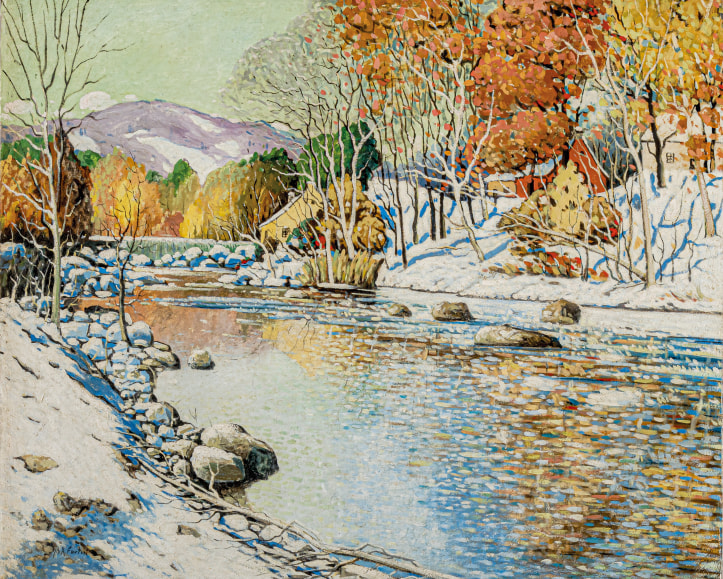
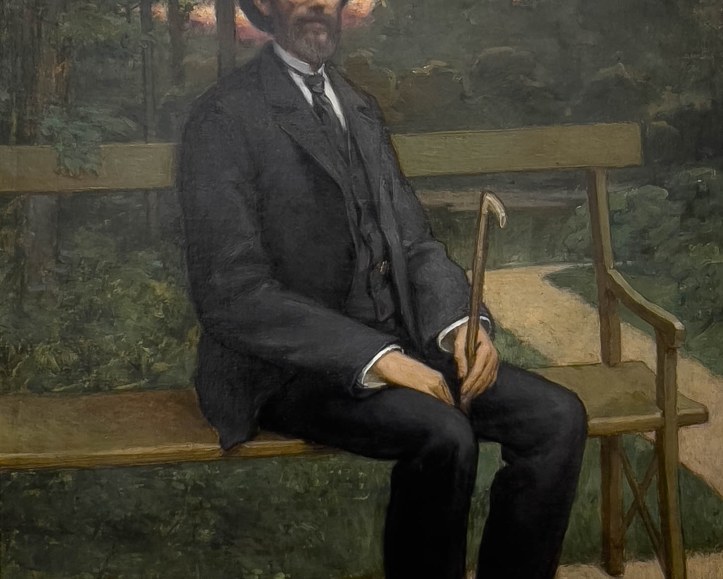
Sam Borenstein

Sam Borenstein (1908-1969)

Canadian artwork is bought and sold in two primary ways; privately through dealers and commercial galleries, and publicly through auction houses.  Most art dealers sell works for a fixed-price and keep financial details and many sales confidential. Auction houses generally sell artwork in a public manner through a system of bidding. Many major “houses” publish their sales figures.

When collecting and investing, the importance of buying authentic, quality works of art for the right price is paramount.  In the preface to a recent study of the role of Art and Antique dealers in the 21st century, published on behalf of CINOA, the president Jan de Maere argued that “In art, authenticity and quality are integral to the subject of art since the 14th century. The art market was born in antiquity as a specific trade that requires specialized knowledge and ethics, to ensure the regularity of transactions” (McAndrew, Clare, 2011. The Role of Art and Antique Dealers: An Added Value, p. 5; UK Publishing Ltd).   Therefore it may not surprise you to read that in my opinion established fixed-price galleries with a verifiable track-record of selling the artwork you like are the optimum places to buy.  It is additionally beneficial if those galleries have a history of dealing directly with the artists themselves because of their unique familiarity with the oeuvre.  Work with those in the mainstream to obtain the highest level of expertise and, therefore, the most assurance. As a fixed price gallery, we offer a vetted selection and often own the works we sell, which means we, as the idiom goes, ‘put our money where our mouth is’.   Underscoring our expertise is our risk, the confidence to spend our own money on works of art, and a reputation that relies on each purchase and sale.  The added value of working with the most reputable art dealers is the quality of art market advice, and security against the acquisition of poor quality works, or even fakes.

The Art Dealers Association of Canada (ADAC) is a national not-for-profit organization that admits to its ranks only galleries that conform to a high level of professional standards and criteria. These are outlined on their website and read as follows:


1) Membership to ADAC shall be limited to professional commercial galleries and art dealers;
2) Applicants may apply for membership and be admitted upon fulfilling the following requirements:
3) Has operated a bona fide exhibition gallery and/or commercial business, open to the public during normal business hours and/or by appointment, for a continuous period of five years or more*;
4) Provides evidence of stability and intent (based on criteria such as exhibition policy, reputation in the community, bank or accountant reference);
5) Operates an ethical business generally accepted in the community;
6) Has a primary concern for the promotion of art and artists of merit in Canada and internationally;
7) Evinces a concern with accepting and promoting the basic mandate of ADAC, with particular regard to the maintenance of professional standards and ethics.

*An art gallery that has been in operation less than five years, and meets the criteria as specified above, may be invited or apply to make application to be admitted as a General Member of ADAC at the discretion and vote of the board.

To apply for membership, applicants should prepare a portfolio containing an artist roster, descriptions of the gallery, and exhibition cards along with three letters of recommendation from ADAC members. A letter from a bank or other financial institution is also required in order to confirm the gallery’s stable financial standing. Applicants might also wish to include pages from their website. This portfolio will be reviewed by ADAC’s Membership Committee and voted upon by the board.

ADAC can assist you in finding the most knowledgeable dealers in your area of interest.

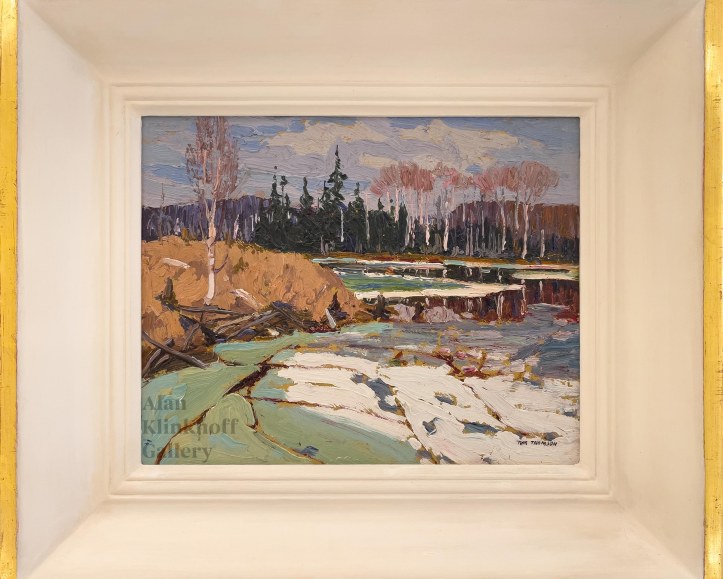
Stanley Cosgrove

Stanley Cosgrove, R.C.A. (1911-2002)

Although we operate as a fixed-price gallery, we would not discourage collectors from buying at auction.  However, due to the wide range in the quality of available works and advice, and in consideration of the terms and conditions outlining the responsibilities of some auction houses for what they sell, as well as a number of other factors, we strongly recommend consulting on a professional basis those with the appropriate expertise before making any purchases in that venue.

The bottom line is that one is best served to buy from or with the help of those who work in the mainstream and have an expertise in the art and marketplace of interest to you.

Ask questions and do business with the experts

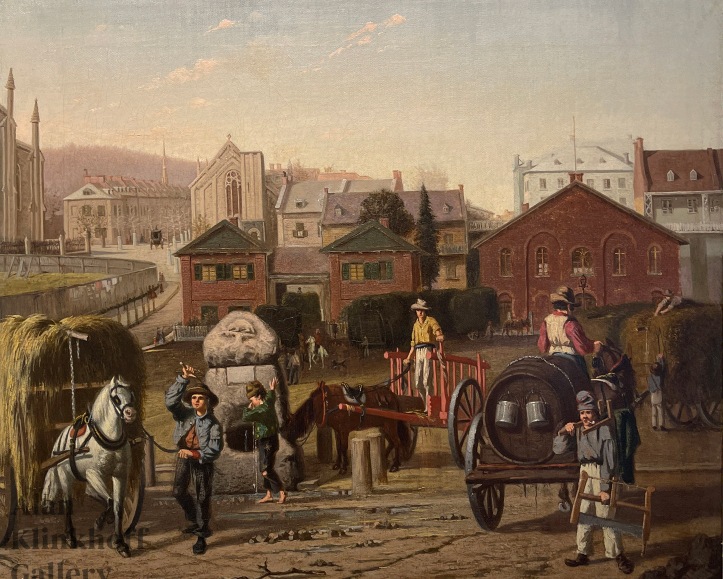
Fred Ross

Fred Ross, O.C., O.N.B., LL.D. R.C.A.

It’s admittedly difficult to trust anyone operating in an opaque market and trust itself is synonymous with naïveté.  However, a knowledgeable and reputable seller should be able to explain an asking price with the use of comparables and-or with a thorough explanation of a work’s context in the marketplace. It is somewhat self-serving of me to say, but even true, that unless one wishes to act independently (and somewhat blindly) to start a good collection one must put a certain amount of faith in the people one is dealing with.  Ours is a market where small nuances can account for value differences of hundreds of percent so it is difficult to adequately stress the importance of doing business with those who understand those nuances, and to avoid asking them to police their colleagues.

Historically, some of Canada’s best collections have been amassed by intelligent buyers who knew more about taking advice than the art they purchased.

In his memoirs my grandfather, Walter Klinkhoff, shared an important piece of wisdom that I believe many buyers wish they had known much earlier in their collecting careers:

“The most intelligent find a knowledgeable person highly recommended, whether it is for surgery, tax advice, or the purchase of art, they are capable of taking advice.”

Buy
Buying a work of art can be a very difficult thing, indeed. For many novices, their first art purchase ranks among their largest single expenditures. We have seen hundreds of eager collectors deliberate for far longer than they would under other circumstances and ultimately be pre-empted by a more confident buyer. We still receive the occasional visitor who laments the missed opportunity to buy an A.Y. Jackson for $125 in 1955, when we were selling them for the legendary master of the Group of Seven.  These are hard lessons but often inspire confidence in the seller.  Although in the ideal world I would like to think I will help you avoid this regret, I would not advise collectors to rush into a purchase. It is better to buy prudently and confidently than under pressure.

Invest
Although there is no firmly established investment horizon, particularly as art prices can shift rapidly and unpredictably, consider approaching the market with reasonable expectations. Rare paintings are not transacted daily and major public sales in our field, which are another measuring stick for buyers and sellers, are conducted only twice a year. Prices are not typically revised on a daily or even monthly basis, sometimes to the frustration of those who are familiar with other markets. The increasingly competitive high end of the art market is one that favours work that is “fresh”, meaning that it hasn’t been recently transacted. Thus, the internet, by providing armchair access to an array of public art sales indexes has had the effect of obliging those who buy or fail to sell publicly to hold those works for longer. We have noted that the increased visibility of artwork sold or unsold publicly has resulted in a loss of liquidity for those works. Accounting for the costs of visibility and transacting artwork, we recommend holding your important Canadian art for at least ten years. Of course, if you continue to enjoy it after ten years, there is no maxim that would suggest you shouldn’t keep it for longer.

For the sake of brevity I have perhaps over-simplified and sacrificed more comprehensive explanations and countless anecdotes. I am nevertheless optimistic that these general guidelines are a good strategy for collecting and help the reader recognize and avoid some of the pursuits most common challenges.

For those who wish for elaboration, I am pleased to do so for the asking.

Recapping the tips:
1) Decide what you like and see as much art as you can
2) Establish collecting objectives
4) Figure out where to buy
5) Do business with people you trust
6) Find the courage to buy
7) Keep works for at least ten years

{ 0 comments }

Auction? That’s no way to sell a precious painting.

06.03.2011 Learn about buying Canadian art

High buy-in rates and oversupply hammer spring Canadian art auctions
Did you see this written by Globe and Mail art writer James Adams describing the May 27, 2011 Joyner Waddington’s Canadian Art auction?
“A hefty 35 per cent of its offerings – 89 lots – went unsold on Friday, and those that did sell more often than [...]

Vancouver Fine Art Auction Analysis

05.21.2011 Learn about buying Canadian art

Buyers, sellers face new challenges in information age

I preface my following comments with the acknowledgement that they are written in the spirit of competition, that being fixed-price private treaty sales versus that of selling at auction. The majority of what we at Galerie Walter Klinkhoff do is the sale of rare [...]

Few Surprises at Canadian Auction, but Critical Questions for Sellers

05.20.2011 Learn about buying Canadian art

Vancouver auction review
On Tuesday night in Vancouver, Eric, Alan and I attended the first of the major spring auctions of important Canadian art. There were few surprises. Post-war and contemporary art continued to receive ever-more attention, however, the somewhat erratic participation of novice buyers and speculators was reflected in unpredictable bidding and sometimes [...]

Comparing offers from galleries and auction houses

02.28.2011 Learn more about selling art

Canadian art on consignment: The numbers, the quality and “the mystery box”
Our fixed price art gallery business is supply driven making the challenge that of securing a supply of very high quality works of art to advise our clients to purchase. Unlike art auction houses where, according to the president of one Canadian auction [...]

2010 Year End Review

12.21.2010 Newsletters

Happy Holidays from Galerie Walter Klinkhoff!
The year 2010 has represented a particularly exciting year highlighted both by sales of numerous extraordinary works of art of great quality, and the strides we have made to improve our ability to communicate with our friends and clients, with a view in mind to serving their interests better and [...]

Strong Auction Aggregates Mask Consignor Benefits

11.29.2010 News

Devil in the Details part II
It was a busy week for sure, looking at countless good, very good works of art for sale at auction and a limited number of excellent and popular works as well. The press releases resonate successes with announcements of “aggregates” (the total value of their sales) including their buyer’s premium. [...]

Devil in the Details: Spring Auction Review

06.08.2010 Newsletters

Auction market strong but erratic
We continue to be convinced that in most cases selling outstanding works of art by private treaty sales, that is with a fine art dealer gallery, you can minimize or even eliminate your financial risk. Just reviewing the results of three important auction sales that have taken place within the [...]

Private Canadian Art Sales Show Strong Market

05.27.2010 Newsletters

Rarely have we seen the quality of buyer enthusiasm voraciously responding to purchase opportunities of trophy-quality paintings as we have seen leading up to summer. We have been aggressively pursuing owners and potential sellers of genuinely outstanding works of art, offering to buy outright for resale or to sell on consignment at what must [...]

Private Sale Pay-Off: This is smart business

03.04.2010 Learn more about selling art

We have just paid to the former owner of the most handsome Albert H. Robinson painting illustrated on this newsletter what we believe is the highest price a collector has received for an oil sketch by Robinson.  One traditionally would not expect a re-seller to brag about a purchase at such an elevated price and [...]